Table of Contents
- Quick Answer
- Deconstructing the Windshield Replacement Price
- OEM vs Aftermarket Glass What is the Real Difference
- How ADAS Calibration Dramatically Affects Your Cost
- Navigating Insurance for Windshield Replacement
- Your Guide to Getting an Accurate Estimate in Salinas
- How Searson Collision Center Ensures a Safe Replacement
- Windshield Replacement FAQ
- How long do I have to wait before I can drive after a windshield replacement
- Will insurance cover my windshield replacement
- Can I choose my own repair shop in California
- Is the cheapest windshield quote a bad idea
- Do I really need recalibration if the glass was installed correctly
- Can a small chip be repaired instead of replacing the whole windshield
Quick Answer
You notice a crack spreading across the windshield on your way through Salinas, and the first question is simple. What is this going to cost?
For many vehicles, windshield replacement price falls somewhere between a few hundred dollars and well over a thousand, depending on the glass, the vehicle, and whether the car has camera-based safety features that need calibration after installation.
On an older vehicle with no advanced driver-assist systems, the bill is usually lower. On a newer model with lane departure warning, forward collision alert, rain sensors, or a camera mounted to the windshield, the price climbs because the job often includes more than installing glass. The shop may need model-specific parts, stricter setup procedures, and post-install calibration so those systems keep working as designed.
For California drivers, cost also ties directly to insurance and consumer choice. You can choose the shop that does the work, and that matters in ADAS jobs where proper replacement and calibration can affect both safety and claim handling. A good shop does more than write an estimate. It helps you understand what insurance will cover, what corners should not be cut, and what you are approving before the work starts.
Deconstructing the Windshield Replacement Price
A driver in Salinas gets a quote over the phone, expects a simple glass swap, then sees a final estimate that is much higher. In the shop, that gap usually comes from items that were never explained up front. The windshield itself is only one part of the bill.
As noted earlier, windshield replacement can range from fairly straightforward on an older vehicle to much more involved on a newer one with cameras, sensors, specialty glass, and manufacturer-specific procedures. The actual question is not just "what does a windshield cost?" It is "what has to be done to return this vehicle to safe driving condition?"
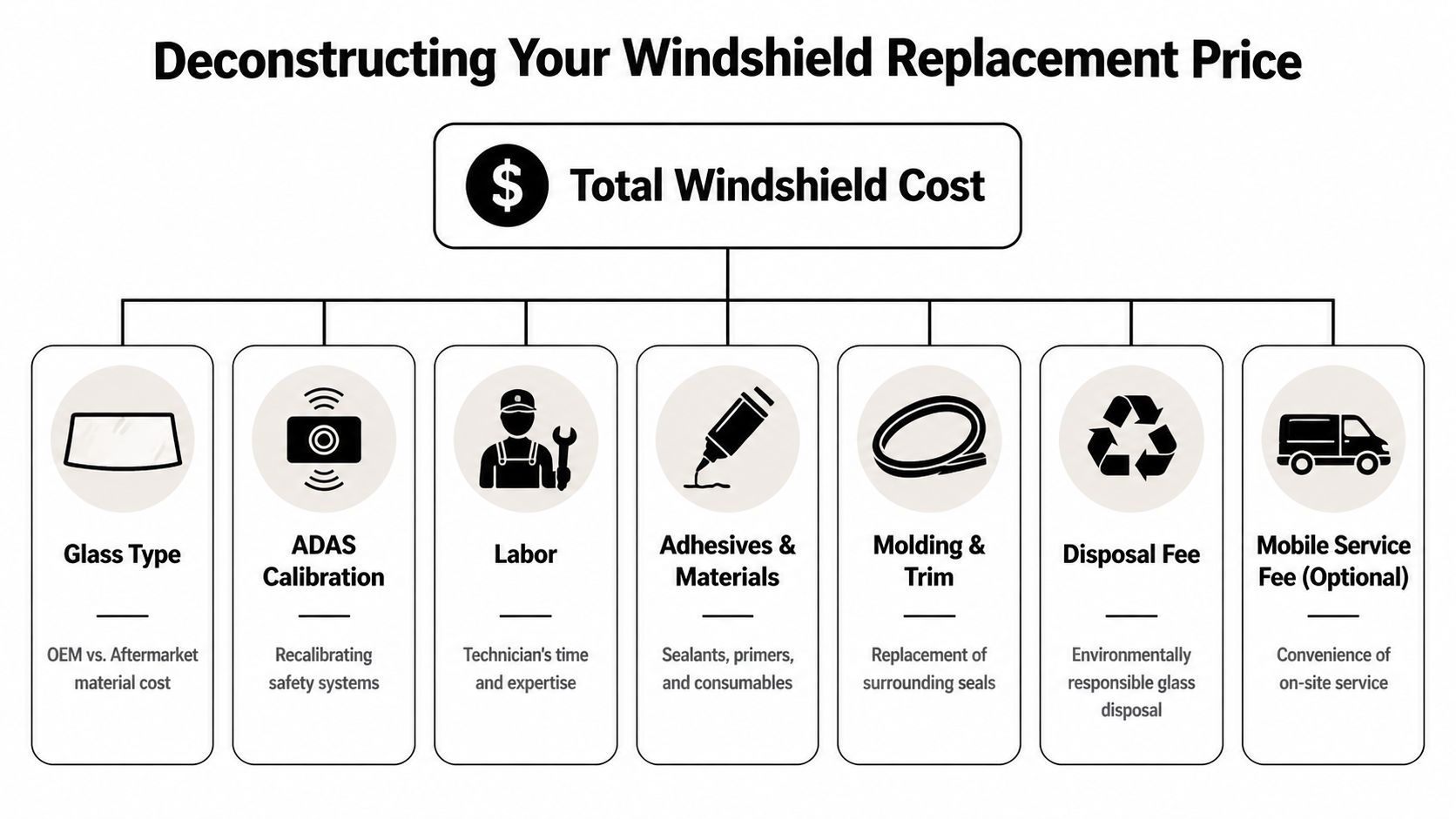
What you are actually paying for
A careful estimate should separate the work into clear line items. If it does not, ask for an itemized version before you approve the job. That matters even more if you plan to use insurance, because vague paperwork often creates delays, disputes over coverage, or surprise out-of-pocket costs.
| Cost Component | Description | Typical Impact on Price |
|---|---|---|
| Glass Type | OEM or aftermarket glass, plus any coatings or vehicle-specific features | One of the biggest factors |
| ADAS Calibration | Recalibration of cameras and related safety systems after installation | Can significantly raise the total |
| Labor | Removal, preparation, installation, cleanup, and verification | Meaningful part of the job |
| Adhesives & Materials | Urethane, primers, setting blocks, clips, and other consumables | Necessary for safe installation |
| Molding & Trim | Replacement of damaged or one-time-use moldings and seals | Varies by vehicle |
| Disposal Fee | Removal and responsible disposal of broken laminated glass | Usually smaller but legitimate |
| Mobile Service Fee | Added charge when the work is done at your location | Optional and convenience-based |
Some of these items sound minor until the job starts. Old urethane has to be cut out without damaging the pinch weld. Paint around the bonding area has to be protected. Trim pieces often break with age, and some are designed for one use only. If those details are skipped, the customer may end up with water leaks, wind noise, rust starting under the glass, or a windshield that never sits quite right.
That is why the cheapest number on the page can be the most expensive repair six months later.
Why one vehicle costs far more than another
The largest swings usually come from the vehicle, not from the shop. An older sedan with plain laminated glass is usually more straightforward. A late-model SUV or pickup may have a forward-facing camera, rain sensor, acoustic interlayer, heating element, lane departure features, and trim that has to be replaced instead of reused.
The same pattern shows up across modern body work. If you want a broader sense of why collision repair costs have gone up on newer vehicles, the reasons are very similar. More technology means more procedures, more verification, and less room for guesswork.
In California, there is another practical factor. The estimate has to work not just for the repair, but for the claim. Salinas-area drivers are often trying to sort out deductibles, glass coverage, shop choice, and whether calibration will be recognized by the insurer. A good shop helps document what the car needs, explains what insurance may or may not pay for, and gives you paperwork that holds up if questions come back from the carrier.
What a useful estimate looks like
A useful windshield estimate names the glass being installed, states whether calibration is required, lists moldings or clips if they need replacement, and includes the materials needed to bond the glass correctly. It should also tell you whether the vehicle has a safe drive-away time and whether any post-install scans or test procedures are part of the job.
A weak estimate is usually just one number.
That is where Salinas drivers get stuck. If a shop is acting as your advocate, the estimate should help you make a decision and help you defend that decision with your insurer if needed. Clear scope matters because safety systems, insurance approval, and final price are tied together.
OEM vs Aftermarket Glass What is the Real Difference
The biggest choice on many estimates is the glass itself. That one line item can change the windshield replacement price, but it also affects fit, optics, and how confidently the rest of the repair can be finished.
Since around 2015, ADAS technology has changed windshield replacement from what was once a simpler $300 to $600 repair into a procedure that is often $1,000+ when recalibration is involved, as described in this industry overview of changing windshield costs. That shift is the reason the OEM versus aftermarket decision matters more now than it used to.
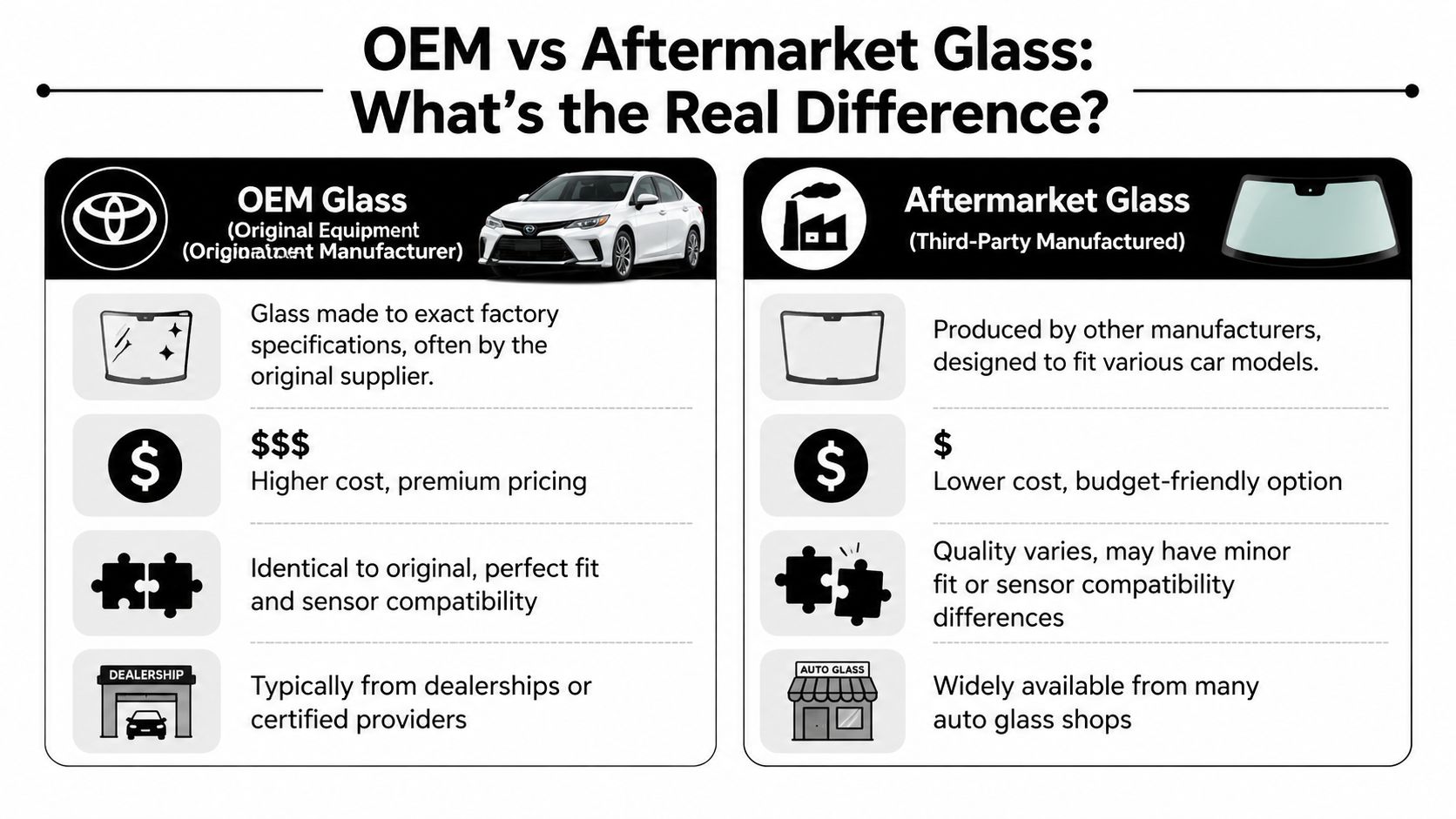
OEM glass and what it buys you
OEM glass is made to the original vehicle specification. For the customer, that usually means predictable fit, correct mounting points, and fewer question marks about how the camera or sensor is seeing through the glass.
That doesn't mean OEM is automatically required on every vehicle. It does mean OEM tends to be the safer conversation on newer cars with lane-keeping, forward warning, rain sensors, or any system that depends on optical clarity and exact positioning.
The less room there is for variation, the fewer problems you have to chase later.
A shop should be able to explain why OEM is being recommended. "Because it's better" isn't enough. The better answer is tied to your vehicle's equipment, the way the camera mounts, and whether the manufacturer has strict requirements for replacement parts.
Aftermarket glass and when it may make sense
Aftermarket glass can be a reasonable option in the right situation. On some vehicles, especially older models without complex windshield-mounted systems, it may provide a practical balance between cost and function.
The issue isn't that aftermarket is automatically bad. The issue is inconsistency. You can have differences in edge finish, bracket fit, optical quality, or how the molding sits against the body. Those details matter more than most drivers realize because even small fit or visual issues can turn into road noise, water leaks, or trouble with camera alignment.
The trade-off is not just price
Drivers often think the choice is simple. Spend less now or spend more now. In the shop, the primary trade-off is usually certainty versus compromise.
If a vehicle is newer and camera-heavy, trying to save money on glass can create more friction in the rest of the job. If the vehicle is older and straightforward, aftermarket may be perfectly sensible. The right answer depends on the car in front of you, not on a blanket rule.
How ADAS Calibration Dramatically Affects Your Cost
For many newer vehicles, the biggest jump in windshield replacement price isn't the glass. It's the calibration work that follows the installation.
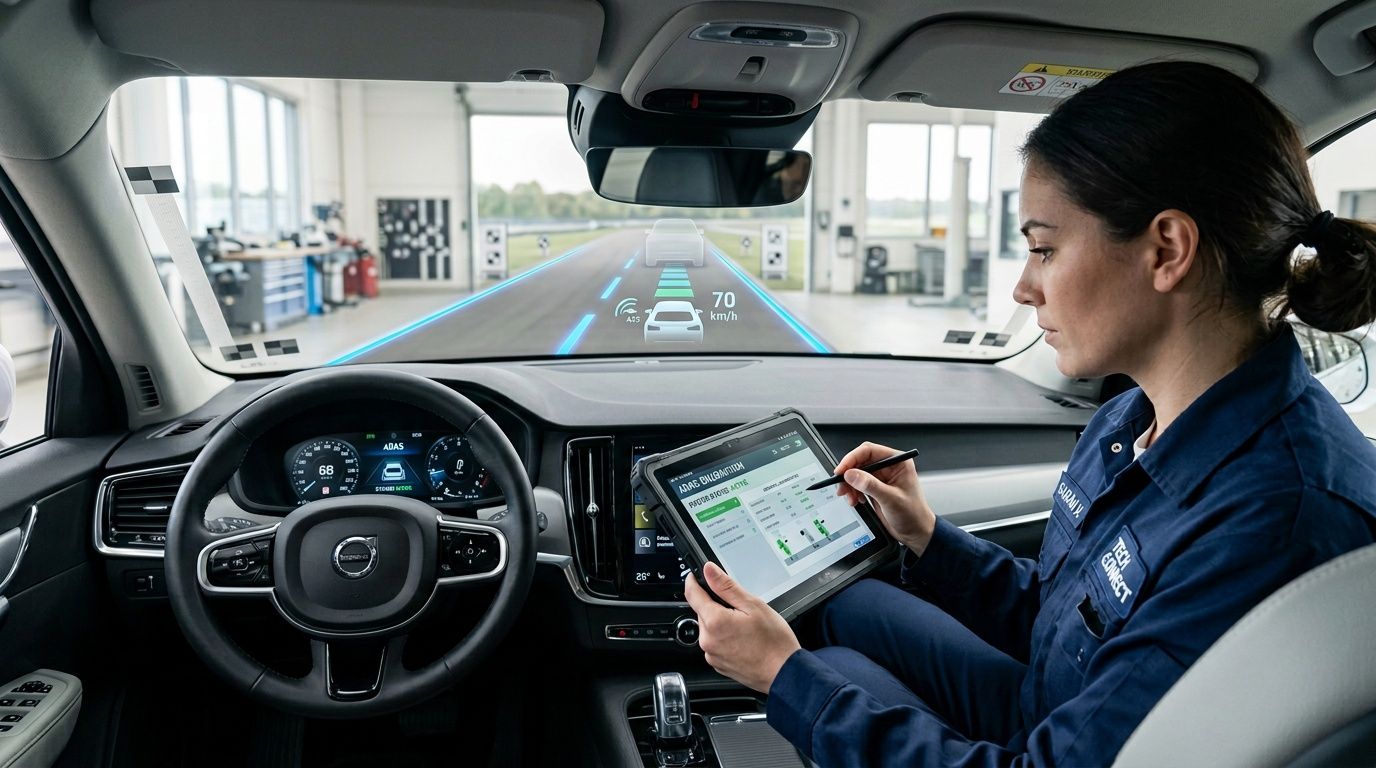
A windshield now serves as the viewing surface for front cameras on many cars and trucks. If the system uses lane-keeping assist, forward collision warning, or adaptive cruise control, replacing the glass can change what that camera sees unless the system is recalibrated correctly.
According to this ADAS windshield recalibration explanation, recalibration can add $200 to $500 to the job, and the camera's field of view must meet factory tolerances of ±0.5°. The same source notes that even millimeter-level misalignment can cause system failures and that skipping recalibration can risk warranty problems and has been linked to post-repair accidents.
Why calibration is part of the repair not an add-on
Some estimates go sideways when a customer gets a low price on the glass itself, then finds out later that calibration wasn't included, wasn't discussed clearly, or wasn't going to be done at all.
That isn't a small oversight. It's a safety issue. If the camera is aimed wrong, the car may react late, react early, or throw alerts that don't match what's happening on the road.
A proper discussion should include these points:
- Whether your vehicle has windshield-mounted ADAS equipment. Not every trim level has the same systems.
- Whether the manufacturer calls for static, dynamic, or combined calibration. The procedure depends on the make and model.
- Whether the estimate includes post-install verification. The car shouldn't leave based on guesswork.
- Whether the shop can document what was performed. You want a paper trail, especially if insurance is involved.
Calibration isn't an upgrade. On an ADAS-equipped vehicle, it's part of putting the car back into safe operating condition.
If you want broader context on why newer repairs carry more procedure and documentation than older ones, this article on why modern repair bills keep going up lays it out well.
How to talk to insurance without getting pushed around
When you're filing a claim, use plain language. Tell the insurer you want the estimate to state whether ADAS calibration is required and whether it's included. Ask them to confirm that in writing.
Keep your questions simple:
- Ask for itemization. You want glass, labor, materials, and calibration separated.
- Ask whether OEM glass is required by vehicle procedure or recommended due to system sensitivity.
- Ask how post-repair documentation will be handled.
- Ask what happens if a supplement is needed after the vehicle is inspected more closely.
If the person on the phone tries to reduce the conversation to "just a windshield," slow it down. On many newer vehicles, it isn't just a windshield.
Navigating Insurance for Windshield Replacement
Insurance is where many drivers start feeling rushed. The claim is open, the phone starts ringing, and suddenly it sounds like you have to use whoever the carrier suggests first. In California, that isn't the full story.
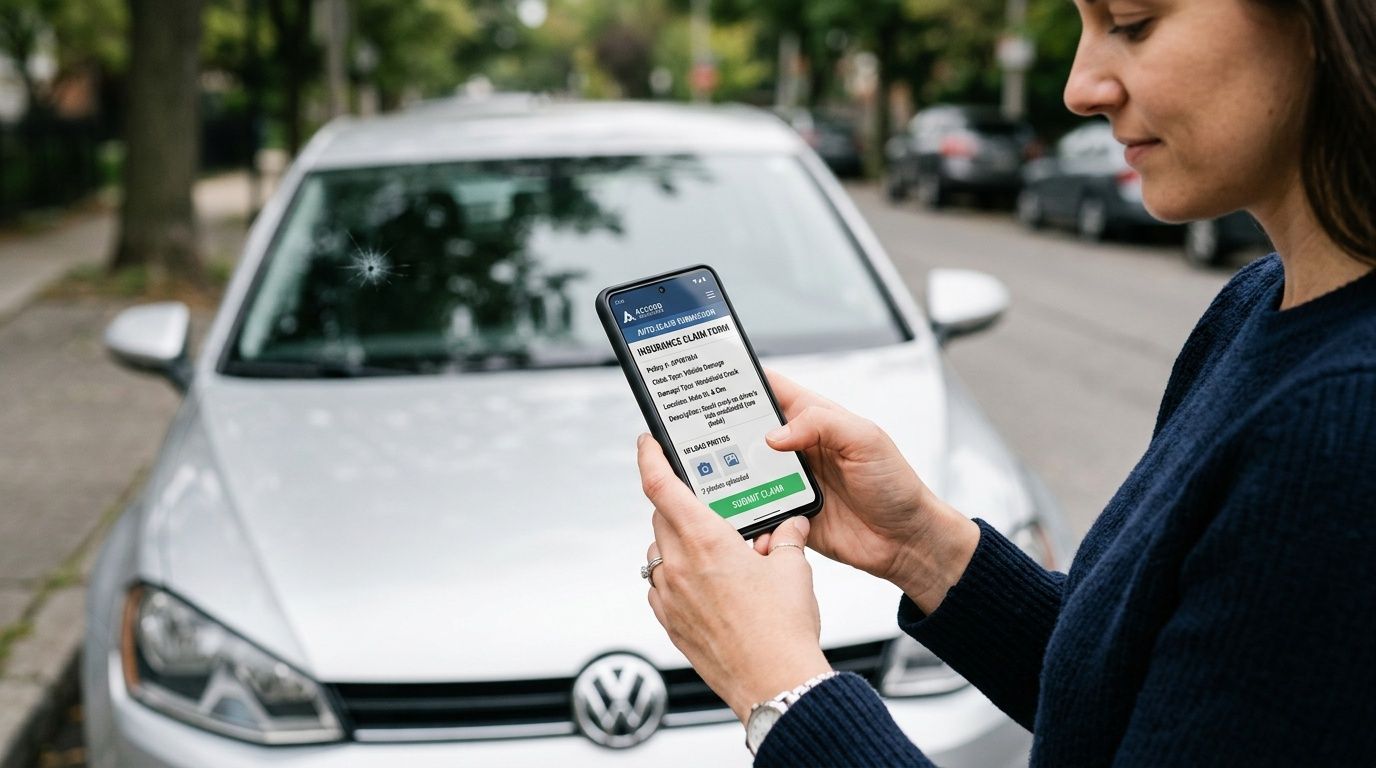
What California rights mean in plain language
Under California Insurance Code § 758.5, you generally have the right to choose your repair shop. An insurer can have a preferred network. They can't require you to use a specific shop as a condition of paying a covered claim. The practical meaning is simple. Listen to recommendations if you want, but make your own decision.
California also has the Auto Body Repair Consumer Bill of Rights under 10 CCR § 2695.85. In plain language, that regulation is about clear communication during the repair process. It supports your right to know where the vehicle is going, how the estimate is handled, and what role the insurer and repair facility each play. For guidance specific to your claim, it still makes sense to check directly with your insurance provider or a licensed professional.
If a caller makes it sound like you don't have a choice, ask them to repeat that and send it to you in writing. The tone often changes fast.
A lot of confusion starts when people assume glass work is too small to involve consumer rights issues. It can still involve steering, incomplete explanations, and pressure to approve a bare-minimum repair path.
For a broader look at how policy type affects glass claims, this article on whether liability insurance covers windshield replacement is a useful starting point.
Questions to ask before you approve the job
You don't need to sound like an adjuster. You just need to ask clear questions and wait for clear answers.
- What exactly is covered under my policy for this loss. Ask whether the claim is being handled under non-collision coverage, collision, or another coverage type.
- Is my deductible going to apply. That affects your out-of-pocket responsibility more than any sales pitch ever will.
- Does the approved estimate include all required procedures. Don't assume calibration, moldings, or materials are already there.
- Can I get a copy of the approved estimate before work begins. You should be able to review it.
If you feel stuck between the insurer and the shop, slow the process down. Good repairs hold up under scrutiny. Bad ones depend on speed, confusion, and missing details.
What practical insurance help looks like
The best kind of help isn't someone telling you, "Don't worry about it." It's someone who explains the estimate, points out missing operations, and helps communicate with the insurer when the written scope doesn't match what the vehicle requires.
That matters more on newer vehicles, where one omitted procedure can create problems after the repair is done. The paperwork should match the actual work. If it doesn't, you're the one left sorting it out later.
Your Guide to Getting an Accurate Estimate in Salinas
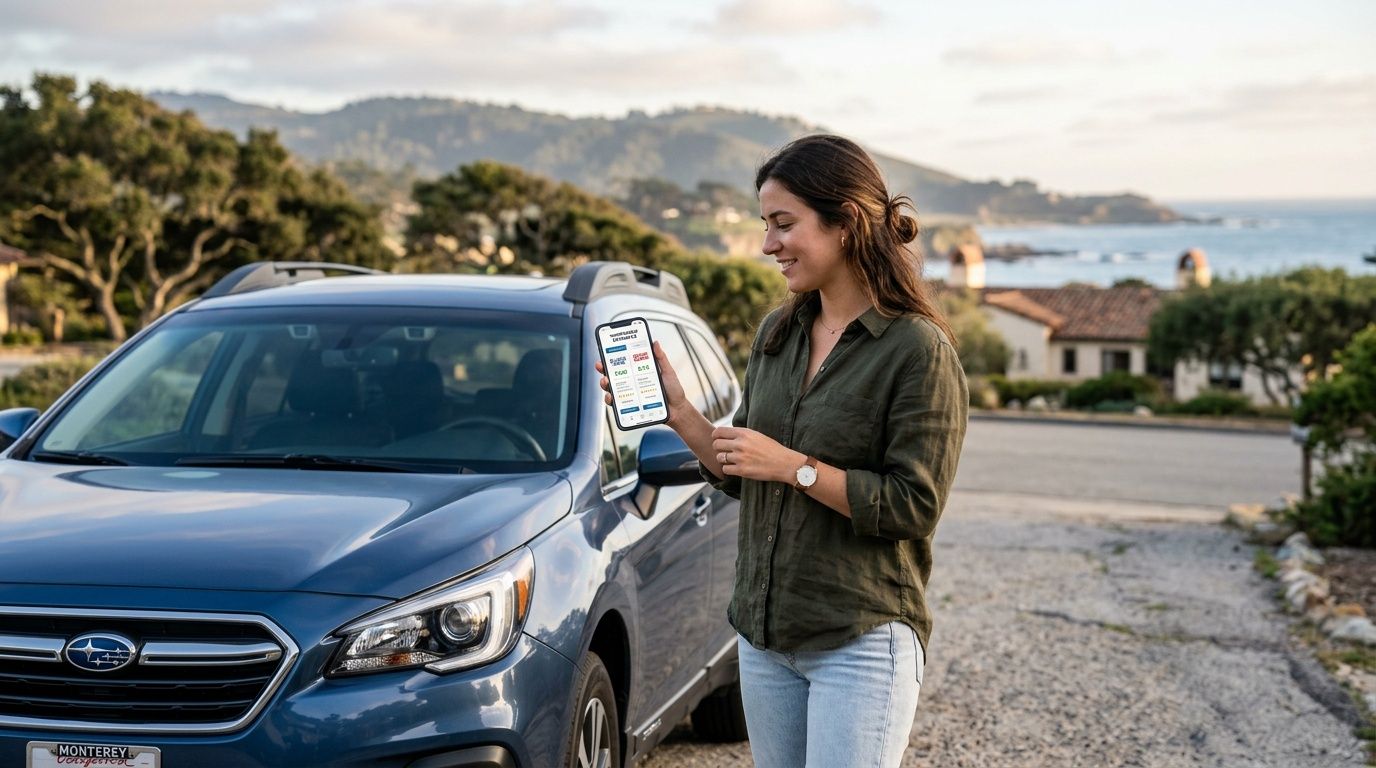
If you're comparing shops in Salinas, don't focus only on the bottom number. Focus on whether the estimate is complete. A lower windshield replacement price isn't useful if it leaves out parts of the job you'll end up paying for later.
What a careful estimate should include
A useful estimate should identify your vehicle correctly down to the equipment level. That means the shop should verify the year, make, model, trim, and whether the car has windshield-mounted cameras or other related systems.
You also want to know what kind of glass is being quoted, whether trim pieces are being replaced, and whether the adhesive and curing process are being treated seriously. A vague estimate leaves room for shortcuts.
Ask direct questions such as:
- What glass are you quoting. OEM or aftermarket should be named, not implied.
- Is calibration required for this vehicle. If yes, ask whether it is included and documented.
- Will you provide an itemized estimate. You should be able to see the repair line by line.
- What post-install checks are performed before delivery. Warning lights, fit, and related system status should be addressed.
- How will insurance supplements be handled if more is needed once the vehicle is inspected.
If you're already in the claim process, this guide on how to file a car insurance claim can help you keep the paperwork organized and the conversations cleaner.
Red flags that usually lead to trouble later
Some warning signs show up early. Pay attention to them.
- A quote given without confirming vehicle equipment. That often means the shop is pricing the job as generic glass work.
- A casual answer about ADAS. If they brush off calibration on a newer vehicle, that's a problem.
- No written detail about parts and procedures. Verbal promises don't help when billing or insurance questions show up later.
- Pressure to approve immediately. Good work doesn't need rushed consent.
- No discussion of cure time. Safe installation depends on more than getting the glass physically in place.
A proper estimate should make the repair clearer. If it makes the repair murkier, stop and ask more questions.
What to compare when two estimates look far apart
Don't compare only totals. Compare scope.
One estimate may include OEM glass, moldings, recalibration, and post-install verification. Another may quote only the glass swap. On paper those numbers can look like they're for the same job when they're really not.
The shop that takes time to explain the estimate usually saves the customer more frustration than the shop that wins on speed alone. Especially with late-model vehicles, details are where the true value is.
How Searson Collision Center Ensures a Safe Replacement
For drivers who want straight answers, the safest path is a shop that treats windshield work as part of the vehicle's structural and safety system, not as a quick in-and-out transaction. That matters even more when insurance paperwork, trim fit, and calibration requirements all have to line up.
Searson Collision Center has served Salinas since 1963, and that long track record shows in the way repairs are approached. The shop is I-CAR Gold Class certified, which matters because training is what keeps a repair team current as vehicles keep getting more complex.
What happens after you decide to move forward
A safe replacement doesn't end when the new glass is set. The adhesive has to cure properly before the vehicle should be driven. According to this safe drive-away time explanation, high-quality urethane adhesives may need 1 to 3 hours in a controlled environment before the windshield has enough strength to help support airbag performance and roof integrity in a collision or rollover.
That point gets missed on rushed jobs. It shouldn't.
Customers also deserve to know what the shop is doing between drop-off and delivery. This overview of what happens to your car between drop-off and pickup at a body shop gives a plain-language look at that process.
If you need an estimate, the best next step is a direct conversation. A good shop should be able to tell you what your vehicle likely needs, what still has to be verified, and where insurance may or may not cover the full windshield replacement price.
Windshield Replacement FAQ
How long do I have to wait before I can drive after a windshield replacement
Safe drive-away time depends on the adhesive used, the vehicle, and shop conditions. As noted earlier, many quality urethane systems need time to cure before the windshield can properly support airbag performance and roof strength in a crash.
Ask for the shop's stated safe drive-away time before you approve the job. In our trade, that answer should be clear, specific, and easy to put in writing.
Will insurance cover my windshield replacement
Coverage depends on how the damage happened and what your policy includes. Coverage for incidents like rock damage and road debris often applies, but your deductible may still determine whether insurance saves you money.
In California, I always tell drivers to ask two questions first. Is this covered by my insurance for non-accident damage, and what exactly is my out-of-pocket cost if calibration is required? That second question matters because glass and calibration do not always get explained clearly on the first phone call.
Can I choose my own repair shop in California
Yes, in general you can. Under California Insurance Code Section 758.5, the insurer cannot require you to use a specific shop.
That matters in the Salinas area because the right shop is not just ordering glass and setting it in place. The shop also has to verify moldings, match the correct part, and determine whether your vehicle needs static or dynamic ADAS calibration. If your insurer suggests a network shop, ask whether you still have the right to choose your own repairer. Then get that answer in writing if the claim starts getting complicated.
Is the cheapest windshield quote a bad idea
A low quote can be fine if it covers the same work, materials, and calibration requirements as the higher one. The problem is that many low quotes are not quoting the same job.
One estimate may include OEM glass, new trim, rain sensor setup, and post-install calibration. Another may only cover the glass itself. Compare line by line. If the estimate is vague, expect surprises later.
Do I really need recalibration if the glass was installed correctly
If the forward-facing camera or related ADAS hardware mounts to the windshield, calibration may still be required after proper installation. Good glass work and proper calibration are two separate steps.
Skipping calibration can affect lane departure warning, forward collision alert, and other driver-assist features. A careful shop will check the manufacturer procedure for your exact vehicle instead of guessing.
Can a small chip be repaired instead of replacing the whole windshield
Sometimes. A chip repair is usually far less expensive than full replacement, but the decision depends on size, depth, location, and whether the crack has started to spread.
Damage in the driver's direct line of sight often changes the recommendation. So does damage near the edge, where windshield strength matters most. If you catch it early, repair may still be an option.
If you'd like a clear, itemized explanation of your windshield replacement price, Searson Collision Center can help. Call (831) 422-2460, visit 488 Brunken Ave, Salinas, CA 93901, or stop by Monday through Friday, 7:00 AM to 5:00 PM for a straightforward estimate and a conversation about the safest next step.